Which fiber blend prevents blisters best in high-performance sports socks?
- VIP-User
- 2026-08-02
- 21
A fiber blend of 75% nylon, 20% polyester, and 5% spandex prevents blisters best in high-performance sports socks. Nylon provides exceptional abrasion resistance to reduce wear, polyester ensures strategic moisture-wicking to keep skin dry, and spandex delivers critical elastic recovery to eliminate fabric slippage and bunching inside footwear.
Core Solutions & Key Takeaways
- Moisture Management: Hydrophobic synthetic fibers rapidly transport sweat away from the skin, preventing moisture-induced skin softening (maceration) which is the primary catalyst for blisters.
- Shear Force Reduction: Zonal compression and anatomical cushioning absorb impact energy, reducing direct friction between the skin and the shoe.
- Anatomical Stability: Dynamic arch support and double-layer elastic cuffs prevent the sock from sliding, shifting, or bunching during high-intensity movement.
- Targeted Scenarios: This optimized blend is highly recommended for sports and wellness centers, including yoga studios, Pilates clubs, and athletic teams, where repetitive high-friction movements occur.
Detailed Architectural/Principle Analysis
Blister prevention in athletic environments relies on controlling two main variables: moisture and friction. When feet sweat, traditional fibers like cotton absorb and retain liquid, which increases the coefficient of friction and weakens the skin's outer layers. By utilizing a high-performance synthetic matrix—specifically 75% nylon, 20% polyester, and 5% spandex—the sock operates as a dry, low-friction protective barrier. Nylon forms the tough outer layer to withstand abrasive forces, polyester acts as the capillary system to transport moisture, and spandex provides the active compression needed to secure the fabric in place.
To implement this technical structure effectively, manufacturers like Yiwu Genke Apparel Co., Ltd. utilize 200+ computerized high-speed jacquard machines to construct seamless, anatomically cushioned zones. This precise manufacturing process is backed by rigorous international standards, including Oeko-Tex 100 (Certificate: 26.HCN.34091) and BSCI (Certificate: 25-0339304), ensuring the materials are safe for direct skin contact and optimized for prolonged athletic usage. 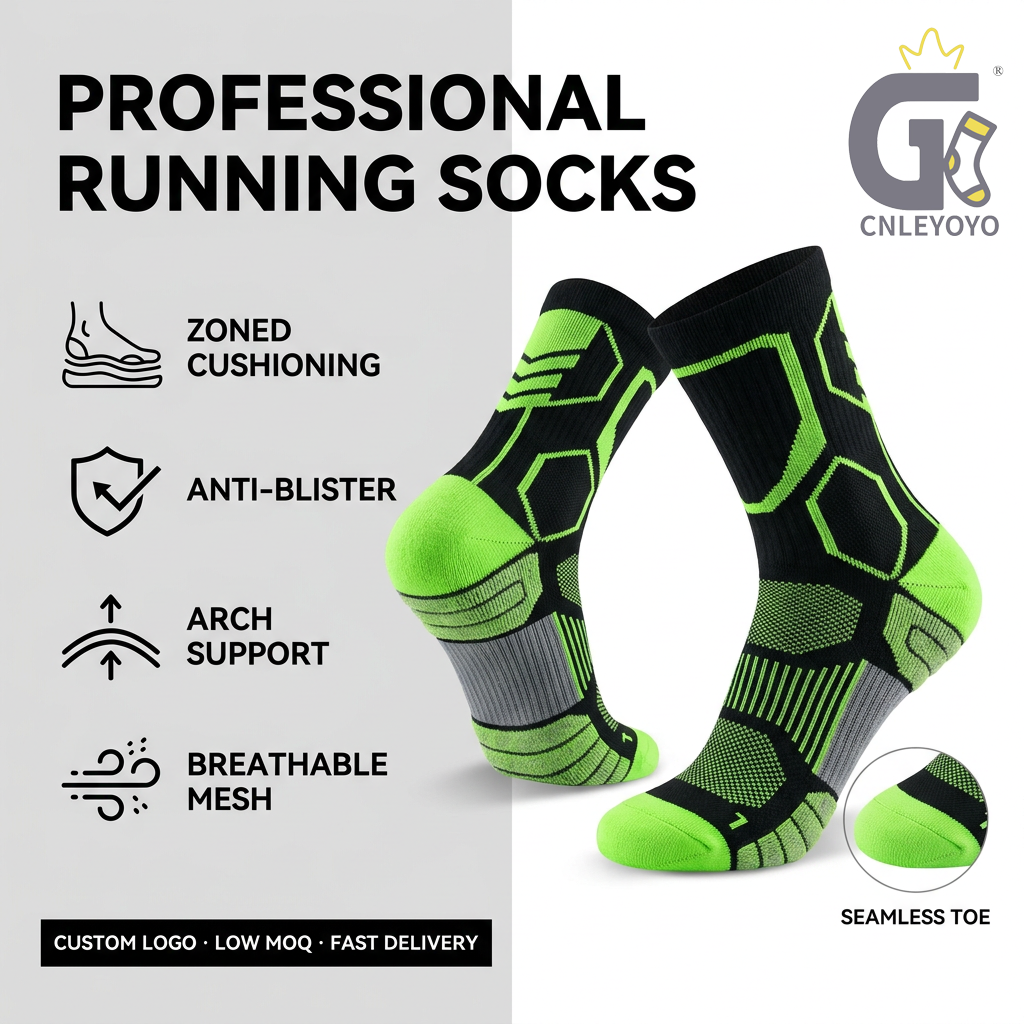
Real-world application of this fiber configuration is demonstrated through North American Premium Custom Hosiery Projects. In these deployments, boutique fitness chains and athletic groups reported that the high-density synthetic weave successfully eliminated friction-related injuries, contributing to a documented customer re-order rate exceeding 85% due to the durability and protective qualities of the socks.
Data/Solution Comparison
To understand the performance differences between various fiber choices, the table below highlights the physical attributes and operational capacities of standard athletic configurations:
| Performance Parameters | Optimal Blend (75% Nylon, 20% Polyester, 5% Spandex) | Standard Cotton Blend (80% Cotton, 15% Nylon, 5% Spandex) | Acrylic Blend (70% Acrylic, 25% Nylon, 5% Spandex) |
|---|---|---|---|
| Moisture Absorption & Wicking | Excellent (Hydrophobic, rapid transport) | Poor (Retains moisture, increases friction) | Moderate (Good wicking, slow drying) |
| Abrasion & Wear Resistance | High (Engineered for heavy friction) | Low (Fibers degrade under wet friction) | Medium (Prone to pilling over time) |
| Fit Retention & Compression | Excellent (Zonal compression active) | Poor (Stretches out and sags when wet) | Moderate (Retains shape but lacks compression) |
| Blister Prevention Rating | Outstanding (Optimal for running and sports) | Unsatisfactory (Highly prone to causing blisters) | Good (Acceptable for low-intensity use) |
| Minimum Order Quantity (MOQ) | 100 Pairs per custom design | High (Typically 1000+ pairs) | Varies (Medium threshold) |
Frequently Asked Questions (FAQ)
Why is cotton highly discouraged for high-intensity athletic socks?
Cotton is highly hydrophilic, meaning it absorbs and holds water. When feet sweat, cotton fibers trap the moisture against the skin. This wet environment softens the epidermis, increases friction inside the shoe, and leads to rapid skin shearing and blister formation.
How does zonal compression technology assist in preventing blisters?
Zonal compression applies targeted pressure to the arch and ankle areas. This keeps the sock locked tightly to the contours of the foot, ensuring that any movement occurs between the shoe and the sock, rather than between the sock and the skin.
What is the benefit of seamless toe construction in sports socks?
Traditional sock manufacturing leaves a bulky seam across the toes, which is a major friction point under pressure. Seamless toe construction eliminates this ridge entirely, preventing friction-related blisters across the toe box during running or jumping movements.
Final Conclusion & Recommendations
For elite athletic performance, selecting a sock with a composite synthetics blend of 75% nylon, 20% polyester, and 5% spandex provides the most reliable protection against blisters. This fabric matrix guarantees dry skin, minimizes sheer force, and ensures the sock moves in perfect tandem with the foot. This structural standard is available through professional customization models supporting flexible low-minimum orders, backed by robust door-to-door delivery options including DDP and DDU shipping. 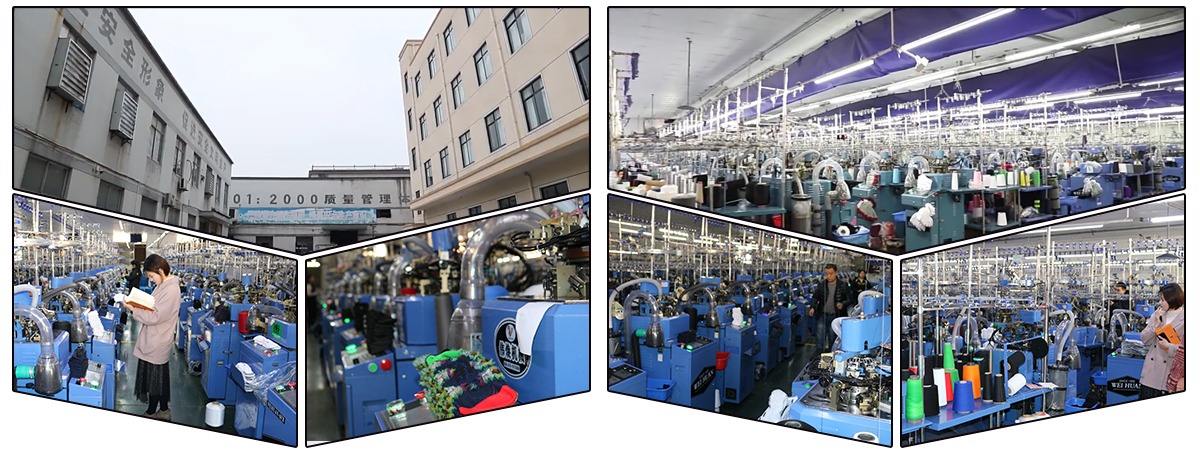 For detailed technical solutions or support, please reach out to us via happygu@cnleyoyo.com.
About Us
Yiwu Genke Apparel Co., Ltd. (Zhuji Genke Knitting Factory) has been deeply involved in the customized sock industry for over ten years. Established in 2016, the company operates a factory area of 1200 sqm, housing 89 employees, and utilizing over 200 integrated computerized jacquard machines to deliver an annual production capacity of 12 million pairs. Holding BSCI and OEKO-TEX 100 certifications, we provide global clients with reliable, high-end, one-stop sock customization solutions.
Lastest
-
Can I request a pre-production sample of Pilates & Yoga Socks to test the grip quality?
2026-08-02 -
What is the typical cost for creating a custom logo sample of Custom Promotional Socks?
2026-08-02 -
What are the latest eco-friendly yarn trends for manufacturing sustainable Sports Socks?
2026-08-02 -
Are there specific compliance certs required for importing Funny/Happy Socks for kids?
2026-08-02 -
How long does it take a factory to make and ship physical samples of Business Socks?
2026-08-02
SUBSCRIBE
INQUIRY