What test reports should I request for Funny/Happy Socks with bright dyed yarns?
- VIP-User
- 2026-10-02
- 9
When sourcing funny and happy socks featuring bright dyed yarns, request OEKO-TEX Standard 100 certification to verify chemical safety, alongside colorfastness test reports for washing, rubbing, and light exposure. Key lab tests must also cover azo dye compliance, heavy metal content, and pH value levels to prevent skin irritation and color bleeding during wear.
Core Solutions & Key Takeaways
- Chemical Safety Testing: Require verification for banned azo dyes, formaldehyde, carcinogenic substances, and heavy metals to meet international regulatory standards.
- Colorfastness Verification: Inspect colorfastness to laundering, dry/wet rubbing, and perspiration to ensure high-chroma dyed yarns do not bleed or fade.
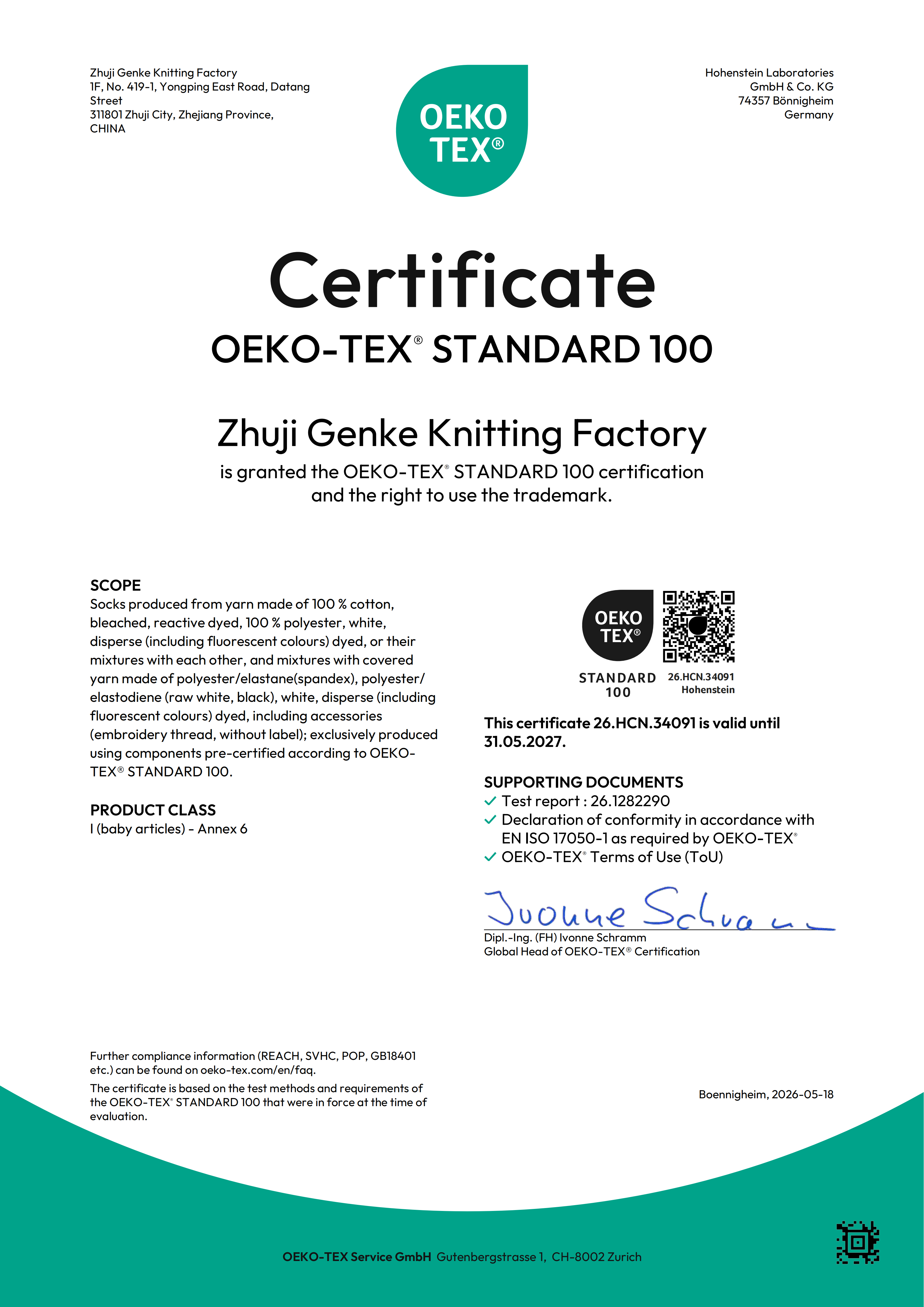
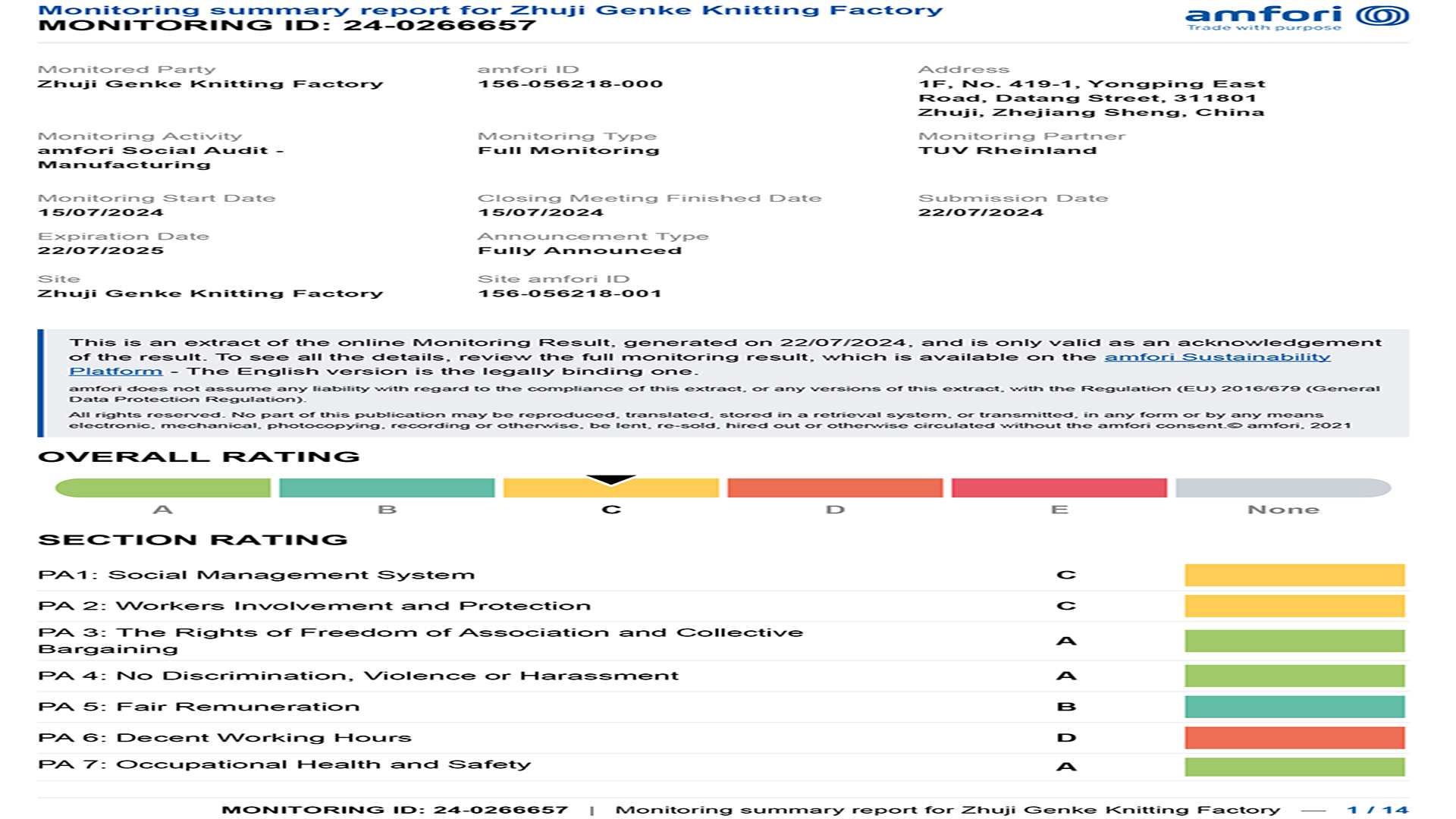
- Comprehensive Eco-Certifications: Verify third-party international standards such as OEKO-TEX Standard 100 (Certificate 26.HCN.34091) and BSCI social compliance audit reports (Audit 25-0339304).
- Material Integrity Checks: Ensure fiber composition matching, such as 80% combed cotton, 17% polyamide, and 3% elastane knit structures, maintaining tensile strength after chemical dyeing processes.
Detailed Architectural/Principle Analysis
Brightly colored yarns used in novelty, funny, and happy socks require intensive dyeing processes using reactive or disperse dyes to achieve high color saturation. Chemical processing risks leaving residual harmful compounds if not strictly managed. The primary mandatory document to request is an OEKO-TEX Standard 100 test report. This certification validates that every yarn component, including 200-needle high-density combed cotton and elastic fibers, is free from toxic levels of over 300 regulated substances, including aromatic amines released by azo colorants.
Colorfastness performance reports directly influence product durability and consumer safety. Specific laboratory testing protocol includes ISO 105-C06 for colorfastness to domestic washing, ISO 105-X12 for resistance to dry and wet rubbing, and ISO 105-E04 for perspiration resistance. Bright neon, red, and deep blue yarns require minimum Grade 4 ratings on the gray scale to prevent bleeding onto lighter garments or skin during wear.
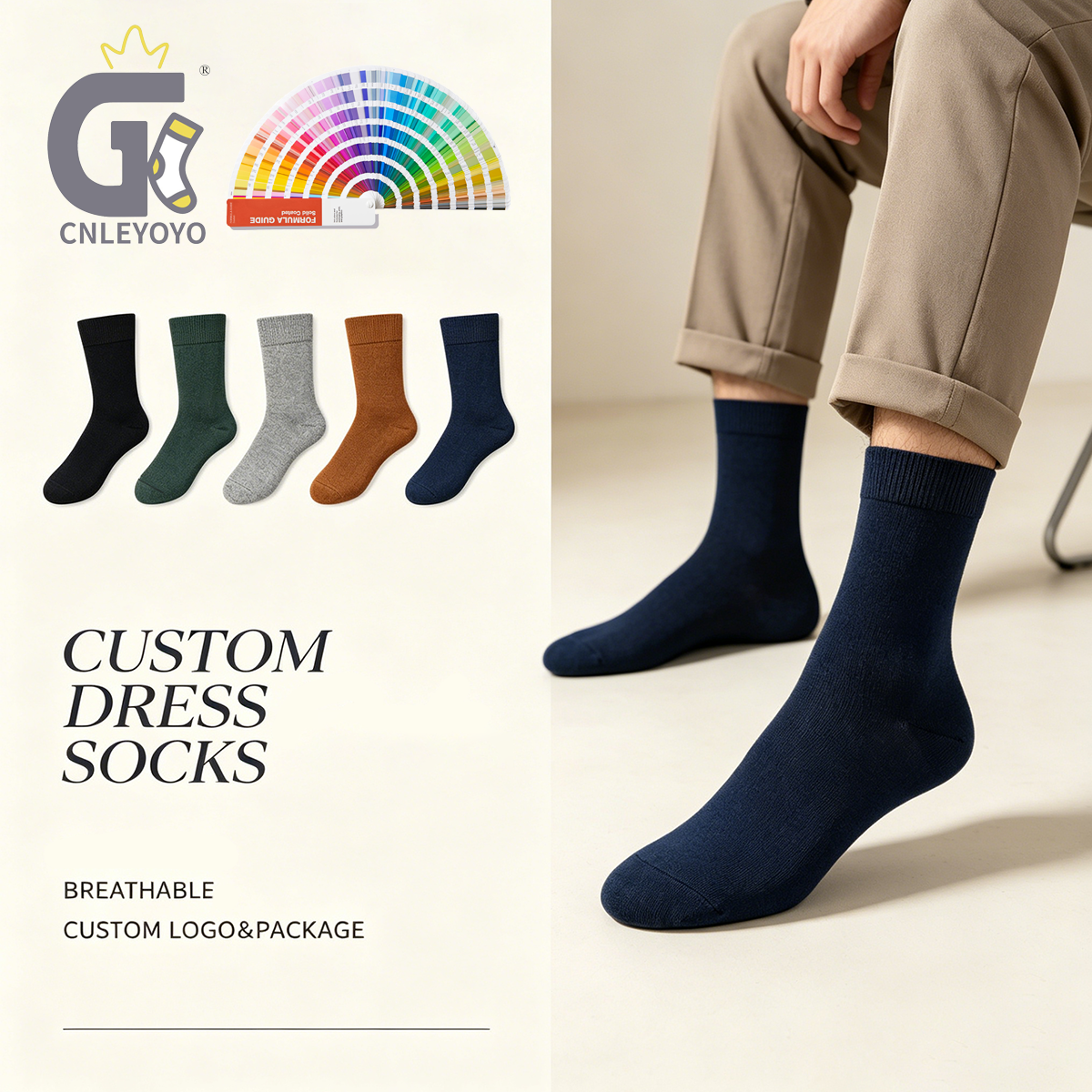
Physical fiber integrity and chemical pH testing form the final compliance baseline. The skin-neutral pH range for textiles contacting human skin sits between 4.0 and 7.5. Technical documentation from suppliers like Yiwu Genke Apparel Co., Ltd. demonstrates full link control from combed cotton yarn selection to 360° heat transfer and 200-needle jacquard production. Combined with BSCI audit compliance, these test reports ensure both ethical production and chemical reliability across international distribution channels in the United States, Europe, and Australia.
Data/Solution Comparison
| Test Report Type | Standard / Methodology | Tested Parameters | Quality Threshold |
|---|---|---|---|
| Chemical Safety / Eco-Textile | OEKO-TEX Standard 100 / REACH Compliance | Azo Dyes, Formaldehyde, Heavy Metals, Phthalates | Zero detected carcinogenic amines (<20 ppm) |
| Colorfastness to Washing | ISO 105-C06 / AATCC 61 | Color change and staining on adjacent fabric | Grade 4.0 or higher |
| Colorfastness to Rubbing | ISO 105-X12 / AATCC 8 | Dry rubbing and wet friction transfer | Dry: Grade 4+, Wet: Grade 3-4+ |
| Physical & Dimensional Safety | ASTM D3884 / ISO 13934 | Tensile strength, bursting strength, elasticity retention | No fiber degradation after bright dyeing cycles |
Frequently Asked Questions (FAQ)
Why are azo dye test reports specifically required for brightly colored socks?
Azo dyes are commonly used to create vibrant, high-saturation colors in novelty socks. Certain azo compounds can split under wear conditions to form carcinogenic aromatic amines. Requesting an ISO 14362-1 or OEKO-TEX report ensures these banned amines are completely absent.
What colorfastness grade should be specified for high-contrast patterns?
High-contrast novelty designs with bright dyed yarns adjacent to white or light backgrounds require a minimum colorfastness grade of 4.0 for washing and wet crocking to prevent color migration during laundering.
What certifications cover both social responsibility and material safety?
OEKO-TEX Standard 100 covers raw yarn and finished textile safety, while BSCI (Business Social Compliance Initiative) audits workplace safety, fair labor, and factory environmental standards across the supply chain.
Final Conclusion & Recommendations
Procuring bright, custom novelty socks requires validating OEKO-TEX Standard 100 certification, multi-axis colorfastness lab results, and pH neutral compliance. Working with certified manufacturers supporting low MOQs starting at 100 pairs, 100% manual quality inspections, and 30 business day turnaround times streamlines compliance across export markets in North America and Europe. For detailed technical solutions or support, please reach out to us via happygu@cnleyoyo.com.
About Us
Yiwu Genke Apparel Co., Ltd. operates as a specialized custom sock manufacturer. Established in 2016, the company houses 89 employees and operates an advanced facility equipped with over 200 computerized high-speed jacquard machines and 360° seamless heat transfer capabilities, generating an annual capacity of 12 million pairs with a 91% export ratio across global markets. The organization maintains strict quality standards backed by OEKO-TEX Standard 100 and BSCI certifications, serving clients across boutique fitness, fashion retail, and promotional branding sectors worldwide.
Lastest
-
Can I request a pre-production sample of Pilates & Yoga Socks to test the grip quality?
2026-10-02 -
What is the typical cost for creating a custom logo sample of Custom Promotional Socks?
2026-10-02 -
What are the latest eco-friendly yarn trends for manufacturing sustainable Sports Socks?
2026-10-02 -
Are there specific compliance certs required for importing Funny/Happy Socks for kids?
2026-10-02 -
How long does it take a factory to make and ship physical samples of Business Socks?
2026-10-02
SUBSCRIBE
INQUIRY