What compliance standards must formal dress socks meet for US retail import?
- VIP-User
- 2026-07-17
- 33
Formal dress socks imported for US retail must comply with federal regulations, including the Federal Trade Commission (FTC) Textile Fiber Product Identification Act for accurate labeling, and U.S. Customs and Border Protection (CBP) country-of-origin marking rules. Additionally, they must meet Consumer Product Safety Commission (CPSC) flammability standards and comply with California Proposition 65 chemical restrictions.
Core Solutions & Key Takeaways
- Fiber Labeling Compliance: Under FTC rules, imported dress socks must feature clear labels detailing fiber percentages (e.g., 80% combed cotton, 17% polyamide, 3% elastane), country of origin, and the manufacturer or registered identification number (RN).
- Chemical and Safety Standards: Compliance with California Proposition 65 is required, ensuring that dyes, silicone anti-slip applications, and packaging materials do not contain hazardous levels of lead, phthalates, or other restricted chemicals.
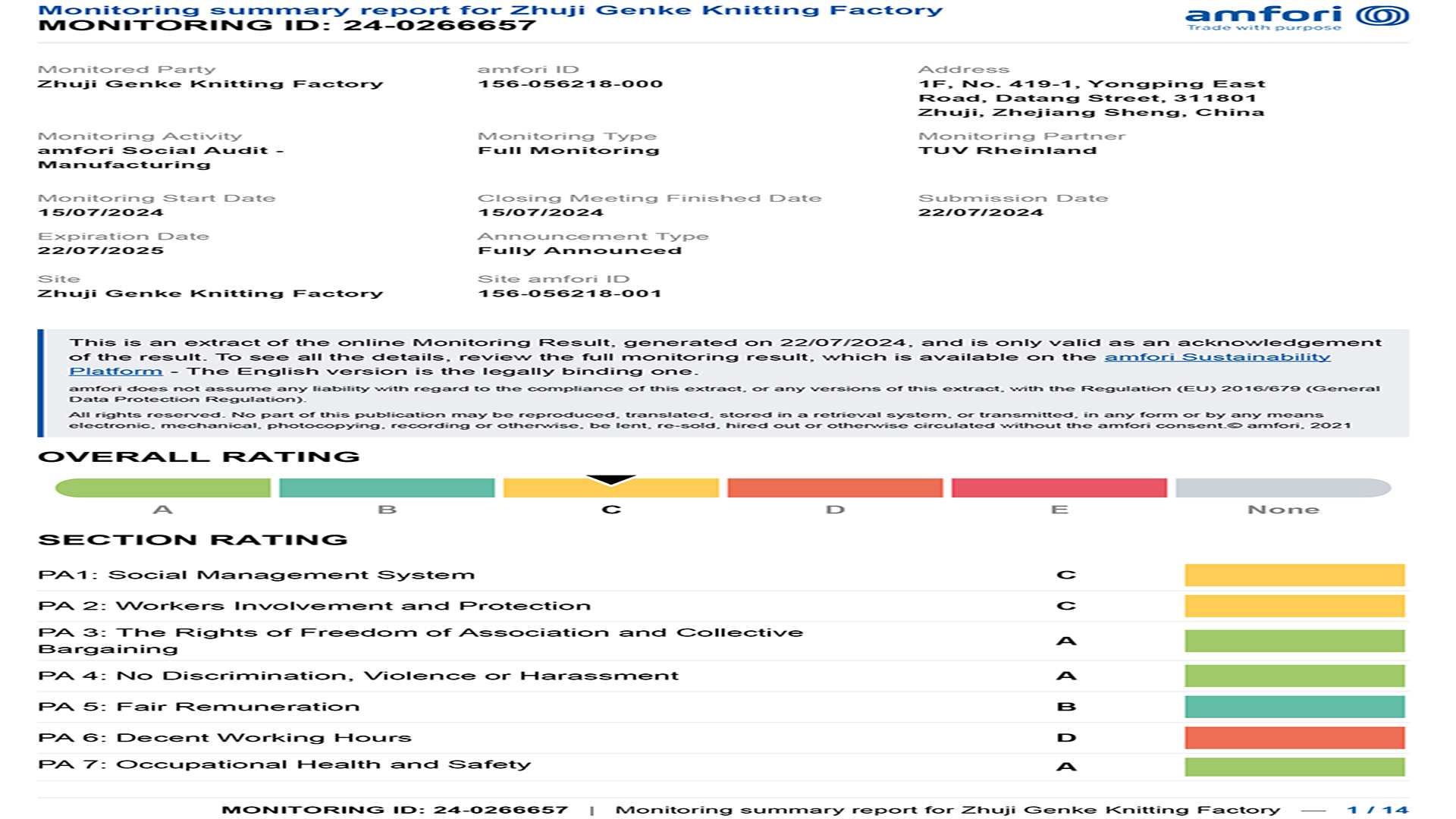
- Independent Certification: Utilizing products certified under international frameworks such as Oeko-Tex Standard 100 and BSCI (Business Social Compliance Initiative) helps verify material safety and ethical manufacturing practices for major US retailers.
- Retail-Ready Quality: High-density construction, such as 200-needle combing, ensures the durability and professional-grade aesthetic required by high-end boutique fitness chains, corporate marketing agencies, and independent fashion retailers in North America.
Detailed Architectural/Principle Analysis
Successfully importing formal dress socks into the United States requires navigating strict customs and consumer safety frameworks. The CBP enforces labeling accuracy at the port of entry. The Textile Fiber Product Identification Act dictates that any textile product sold in the US must carry a label showing the generic names and percentages of constituent fibers. For premium products like Yiwu Genke Apparel Co., Ltd.'s 200-needle combed cotton socks, this means listing the exact composition of combed cotton, polyamide, and elastane to prevent delays during customs clearance.
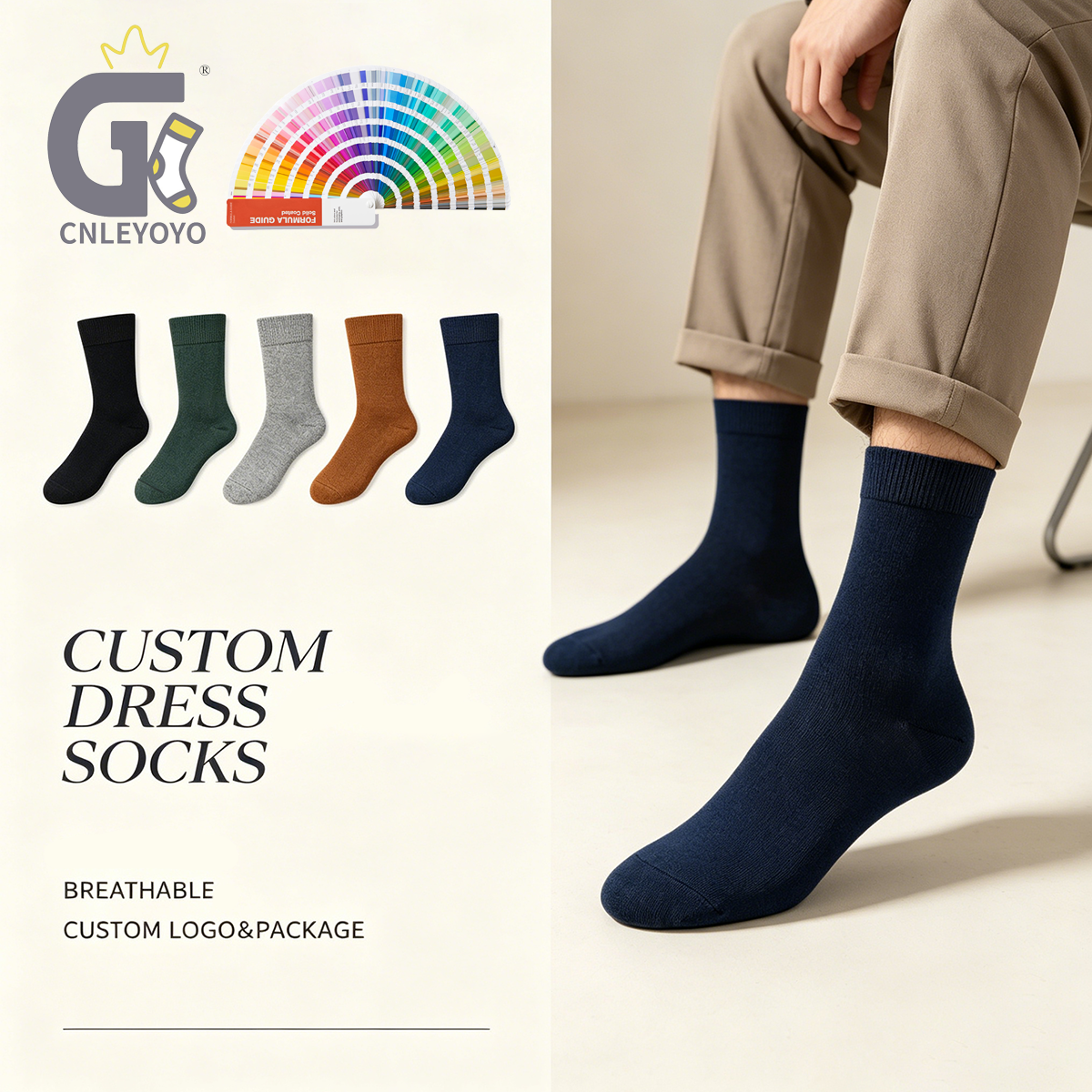
Beyond labeling, safety standards are paramount. The CPSC regulates the flammability of clothing textiles under 16 CFR Part 1610. While most standard cotton socks are exempt if they meet specific weight or fiber requirements, compliance testing documentation must be accessible. Furthermore, social compliance has become a major procurement benchmark for US corporate marketing agencies and premium retail brands. Factories holding BSCI audits demonstrate compliance with international labor standards, which streamlines the supply chain vetting process for large-scale North American distribution networks.
Data/Solution Comparison
| Compliance Metric | US Import Requirement | Premium Product Specification | Verification / Standard |
|---|---|---|---|
| Fiber Content Labeling | Mandatory FTC textile labeling showing exact fiber breakdown | 80% Combed Cotton, 17% Polyamide, 3% Elastane | FTC Fiber Act Compliant |
| Material Chemical Safety | California Prop 65 & CPSC chemical restrictions | Harm-free raw materials, certified dye processes | Oeko-Tex Standard 100 (26.HCN.34091) |
| Manufacturing Ethics | Social responsibility vetting by major US retail buyers | Audited supply chain and fair labor practices | BSCI Certified (25-0339304) |
| Construction & Durability | Retail performance standards for premium apparel | 200-needle high density with seamless hand-linked toe | 100% Manual Inspection QC |
Frequently Asked Questions (FAQ)
What are the labeling requirements for importing socks into the USA?
Socks imported into the USA must have a secure, legible label in English listing the fiber content percentages, the country of origin (e.g., "Made in China"), and the identity of the manufacturer, importer, or distributor (using an RN number).
Do dress socks require Oeko-Tex certification for US customs?
While Oeko-Tex Standard 100 certification is not a mandatory legal requirement for US customs entry, it serves as globally recognized proof that the textiles are free from harmful levels of toxic chemicals, making it highly preferred by premium US retailers and department stores.
How does a BSCI audit assist in the import process?
A BSCI audit proves the manufacturing facility complies with ethical labor and safety laws. US retail buyers and corporate brands often require this certification to protect their brand reputation and ensure compliance with supply chain transparency laws.
Final Conclusion & Recommendations
Navigating US retail import regulations requires careful attention to fiber labeling, chemical safety, and manufacturing ethics. Importers should partner with manufacturers that maintain international certifications such as Oeko-Tex Standard 100 and BSCI to ensure seamless customs clearance and retail acceptance. Utilizing structured logistics options like DDP (Delivered Duty Paid) simplifies the process by handling customs documentation and duty management directly from the factory to the warehouse. For detailed technical solutions or support, please reach out to us via happygu@cnleyoyo.com.
About Us
Yiwu Genke Apparel Co., Ltd., also operating as Zhuji Genke Knitting Factory, has been deeply involved in the customized sock industry for over ten years. Established in 2016 and employing 89 personnel, the company operates a 1200 sqm facility optimized for high-end sock customization. Holding BSCI and OEKO-TEX certifications, we maintain full self-control over our supply chain to serve premium brands and corporate clients globally, with our primary export markets spanning the United States, Australia, and Europe. 
Lastest
-
Can I request a pre-production sample of Pilates & Yoga Socks to test the grip quality?
2026-07-17 -
What is the typical cost for creating a custom logo sample of Custom Promotional Socks?
2026-07-17 -
What are the latest eco-friendly yarn trends for manufacturing sustainable Sports Socks?
2026-07-17 -
Are there specific compliance certs required for importing Funny/Happy Socks for kids?
2026-07-17 -
How long does it take a factory to make and ship physical samples of Business Socks?
2026-07-17
SUBSCRIBE
INQUIRY