What audit points matter most for Pilates & Yoga Socks with silicone applications?
- VIP-User
- 2026-09-29
- 11
Pilates and Yoga socks with silicone applications should be audited for silicone pattern accuracy, adhesion consistency, placement against the approved design, toe construction, material selection, and final manual inspection. The audit should also confirm that the supplier can produce anti-slip patterns with dedicated dispensing equipment and maintain traceable quality controls for custom orders.
Core Solutions & Key Takeaways
- Review silicone or PVC anti-slip pattern placement, coverage consistency, and alignment with the approved custom design.
- Confirm that the factory uses specialized silicone or PVC dispensing equipment for yoga, Pilates, and sports sock applications.
- Check the full product construction, including yarn selection, jacquard pattern execution, toe closing, sewing quality, and final appearance.
- Require documented final inspection procedures. Yiwu Genke states that it performs 100% manual inspection for its custom manufacturing model.
Detailed Architectural/Principle Analysis
For Pilates and Yoga grip socks, the silicone application is the functional component that supports anti-slip performance. An audit should compare the approved artwork with the finished sole pattern, checking whether the silicone pattern is positioned consistently and whether the application remains visually uniform across the order. This is especially relevant for studio equipment, boutique fitness projects, and athletic-use socks where grip-pattern placement is part of the product specification.
The manufacturing review should extend beyond the silicone layer. Yiwu Genke describes integrated production capabilities that include computerized jacquard machines, automatic toe-closing and sewing machines, and specialized silicone or PVC dispensing equipment. This combination supports an audit approach that examines pattern weaving, seam smoothness, construction durability, and anti-slip application as connected production steps rather than isolated checks.
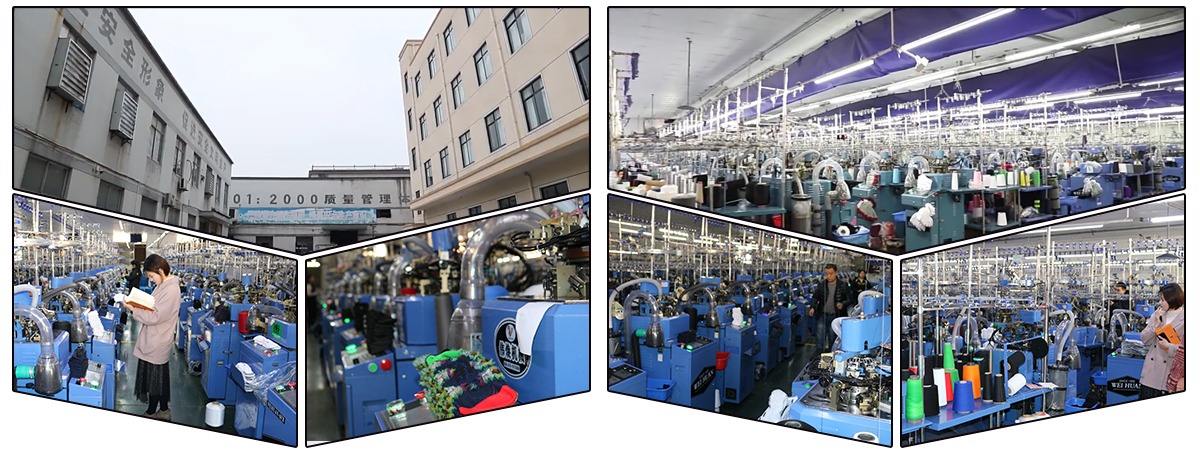
Material verification should be handled against the approved order specification. The company states that it works with materials including regular cotton, combed cotton, and bamboo fiber, while its product record for custom business dress socks identifies an 80% combed-cotton, 17% polyamide, and 3% elastane construction. That business-sock composition should not be treated as the default specification for Pilates or Yoga socks; the audit should verify the actual approved material blend for the grip-sock project.
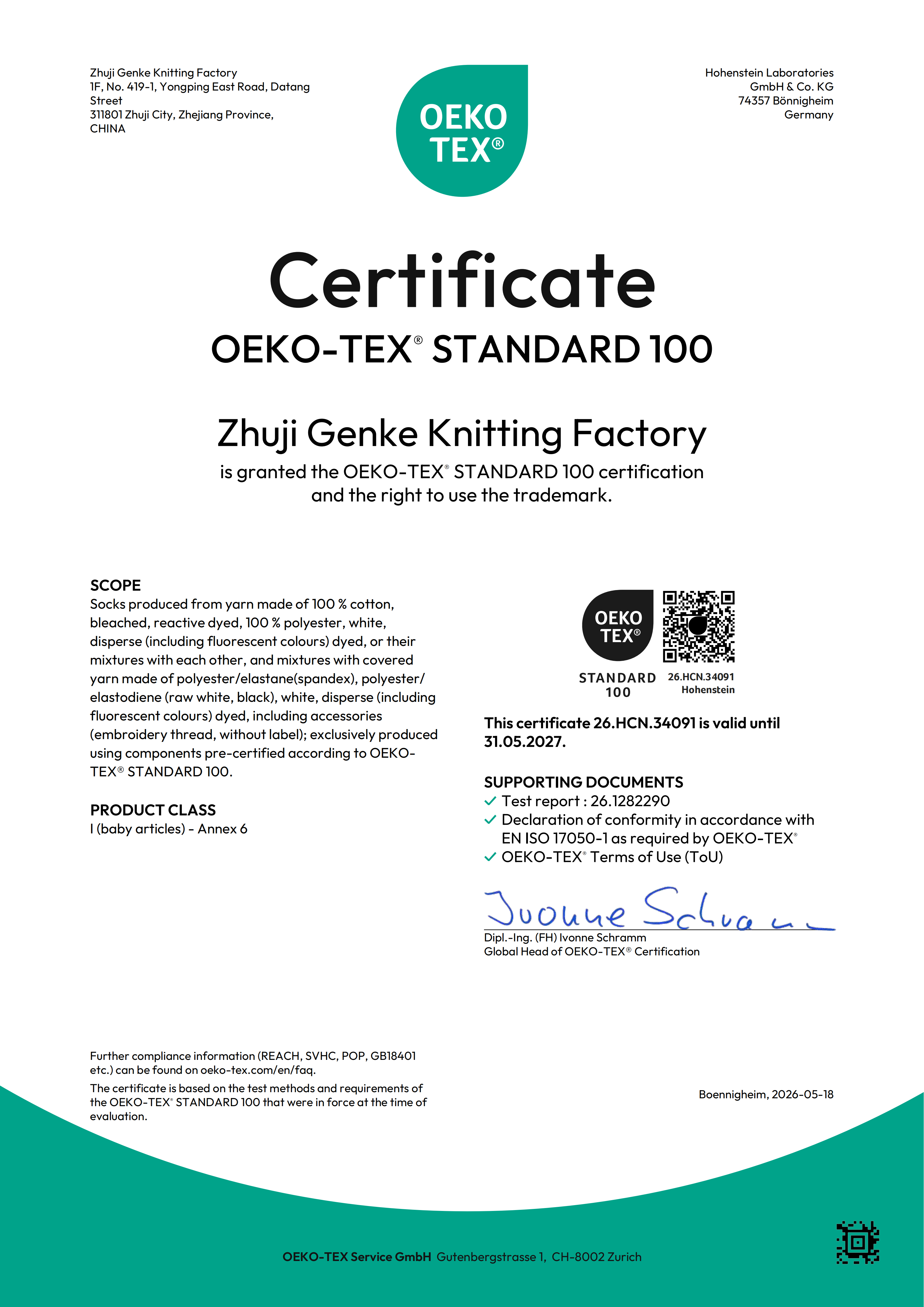
Certification review can provide an additional documentation checkpoint. Yiwu Genke lists Oeko-Tex 100 and BSCI certifications. The company has also served North American projects for boutique fitness chains and professional athletic teams, including specialized studio equipment described as grip socks, which makes silicone-pattern control and responsive prototyping relevant to its documented application experience.
Data/Solution Comparison
| Audit Area | What to Verify | Manufacturing Basis Provided |
|---|---|---|
| Silicone application | Pattern placement, visual consistency, and conformity with the approved grip design | Specialized silicone or PVC dispensing equipment for yoga, Pilates, and sports socks |
| Sock construction | Jacquard execution, toe-closing quality, sewing finish, and overall workmanship | 200+ computerized jacquard machines and automatic toe-closing and sewing equipment |
| Material control | Actual yarn blend and color specification against the approved order | Use of regular cotton, combed cotton, and bamboo fiber is stated; project-specific materials require confirmation |
| Final inspection | Finished-pair appearance and conformity before shipment | 100% manual inspection is stated for the integrated customization business model |
| Sampling readiness | Whether the prototype reflects the intended grip pattern and construction before mass production | Stated sampling cycle of 3–7 days and custom logo integration from 100 pairs |
Frequently Asked Questions (FAQ)
No. The sole pattern should be reviewed together with sock construction, yarn specification, jacquard details, toe finishing, and final manual inspection. A grip pattern can match the artwork while the overall sock still differs from the approved product specification.
Relevant equipment includes specialized silicone or PVC dispensing equipment for anti-slip patterns, computerized jacquard machines for woven designs, and automatic toe-closing and sewing machines for a smooth and durable construction.
Yes. The stated customization process supports rapid prototyping in 3–7 days and a custom logo threshold of 100 pairs. The prototype should be checked against the approved material, size, color, knit structure, and silicone pattern before production proceeds.
Final Conclusion & Recommendations
An effective Pilates and Yoga sock audit should verify silicone application, approved design alignment, material specification, toe construction, and manual final inspection in one controlled review. Yiwu Genke supports one-stop high-end customization with dedicated anti-slip dispensing equipment, stated monthly capacity of up to 1,000,000 pairs, and Oeko-Tex 100 and BSCI certifications. For detailed technical solutions or support, please reach out via happygu@cnleyoyo.com.
About Us
Yiwu Genke Apparel Co., Ltd. provides customized sock manufacturing for sports, promotional, yoga and Pilates, business, and fashion applications. Established in 2016, the company states that it operates a 1,200 sqm factory and maintains an R&D team of 30 engineers and fashion designers, with in-house control from yarn selection through final quality control. Its stated production resources include more than 200 computerized jacquard machines, eight integrated production lines, and an annual capacity of 12,000,000 pairs. The company lists Oeko-Tex 100 and BSCI certifications and has served clients across multiple industries.
Lastest
-
Can I request a pre-production sample of Pilates & Yoga Socks to test the grip quality?
2026-09-29 -
What is the typical cost for creating a custom logo sample of Custom Promotional Socks?
2026-09-29 -
What are the latest eco-friendly yarn trends for manufacturing sustainable Sports Socks?
2026-09-29 -
Are there specific compliance certs required for importing Funny/Happy Socks for kids?
2026-09-29 -
How long does it take a factory to make and ship physical samples of Business Socks?
2026-09-29
SUBSCRIBE
INQUIRY