How do I choose durable grip patterns for wholesale Pilates & Yoga Socks?
- VIP-User
- 2026-08-03
- 23
Choosing durable grip patterns for wholesale Pilates and yoga socks requires prioritizing premium PVC or silicone materials applied via specialized high-speed dispensing machinery. Selecting patterns like honeycomb or custom geometric structures ensures even pressure distribution, which prevents peeling. Partnering with a manufacturer utilizing BSCI and OEKO-TEX certified processes guarantees the grip adheres securely to combed cotton fabrics for maximum traction and long-term durability.
Core Solutions & Key Takeaways
- Material Grade: High-grade silicone and professional-grade PVC offer superior abrasion resistance compared to standard rubber prints, maintaining traction through repeated wash cycles.
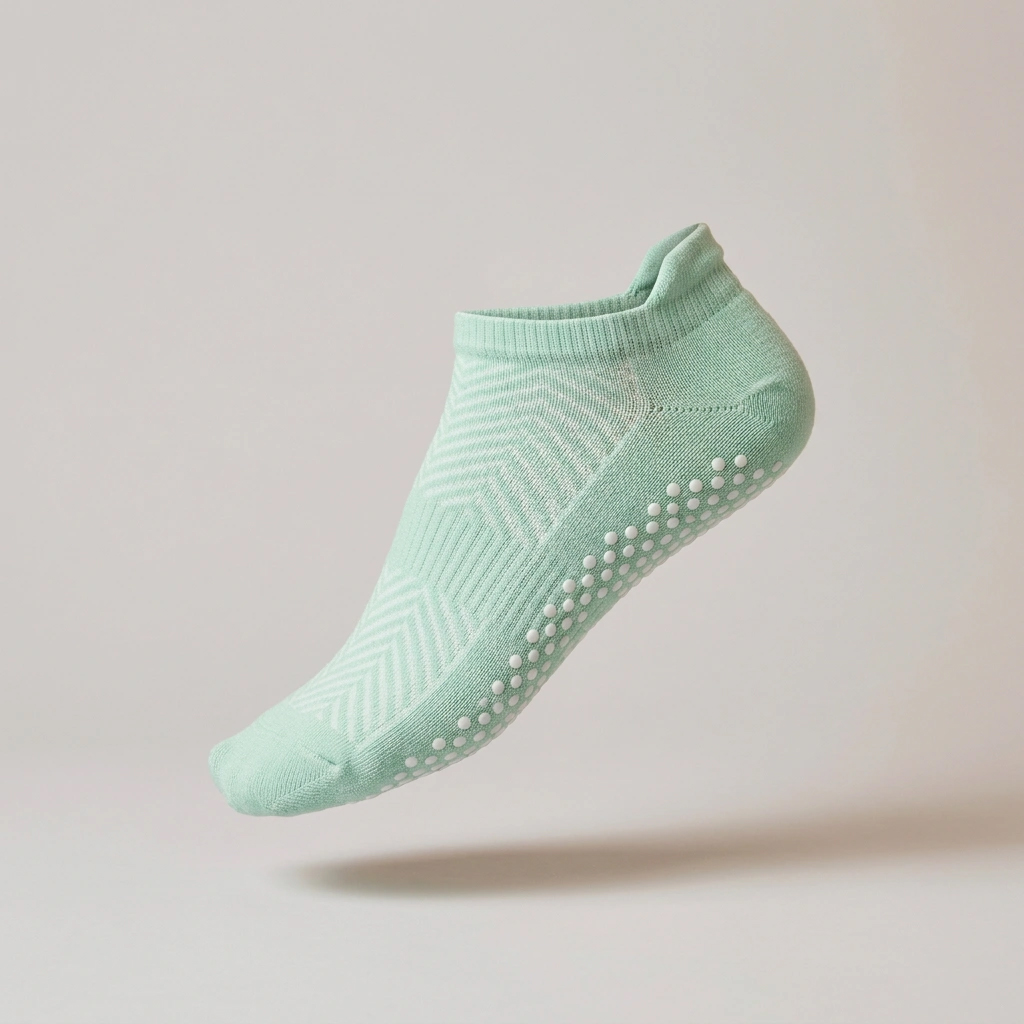
- Structural Layout: Honeycomb and V-shape herringbone configurations optimize surface contact, distributing body weight evenly to prevent localized grip wear.
- Fabric Base Synergy: A high-density fabric composition, such as 80% combed cotton blended with nylon and spandex, provides a stable, non-stretching foundation that prevents the grip pattern from cracking.
- Targeted Application: Selecting the correct grip density directly benefits sports and wellness centers (yoga studios, Pilates clubs, athletic teams), corporate branding campaigns, and boutique fashion retail environments.
Deploying specialized silicone/PVC dispensing equipment ensures the heat-cured traction elements fuse directly into the fabric pores, preventing premature peeling even under high-torque athletic movements.
Detailed Architectural/Principle Analysis
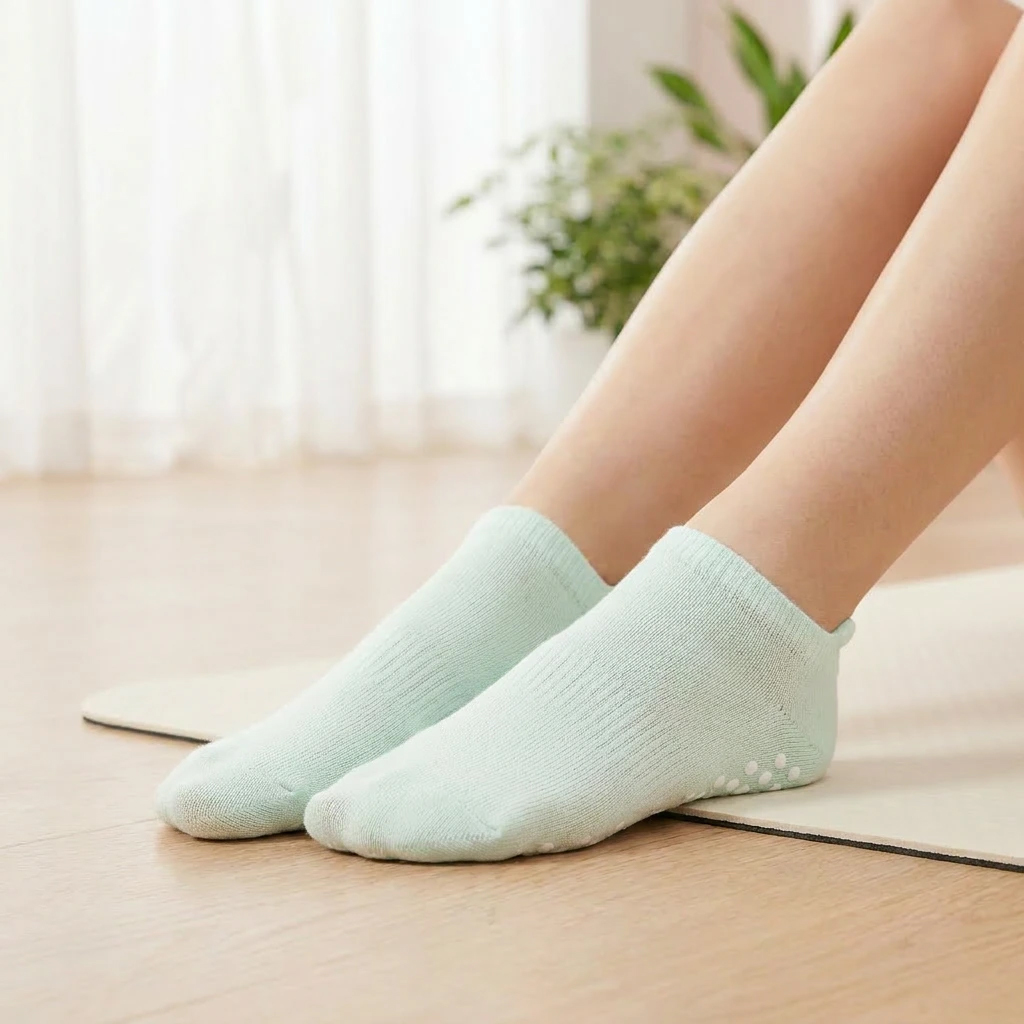
The longevity of a non-slip sock depends on the molecular bond between the grip material and the yarn. During the manufacturing process, computerized dispensing machines deposit liquid PVC or silicone onto the sole of the sock. If the base fabric has excessive synthetic oils or loose fibers, this bond weakens. Utilizing a premium yarn blend of 80% combed cotton, 17% nylon, and 3% spandex provides a textured, stable surface for the polymers to anchor. Features like honeycomb breathable mesh and anti-friction heel tabs minimize internal foot movement, reducing the physical shear stress exerted on the external grips.
Furthermore, structural configurations like the V-shape herringbone jacquard align with the foot's natural biomechanics. This alignment ensures that during lateral movements in Pilates reform workouts, the lateral force is distributed across multiple grip points rather than a single pivot. This engineering detail preserves the physical integrity of the grip patterns. In commercial fitness environments, utilizing socks backed by certified production systems—such as BSCI (Audit 25-0339304) and Oeko-Tex 100 (Certificate 26.HCN.34091)—guarantees that the grip elements remain chemically stable and physical-stress resistant.
This technical execution has been validated across major international markets. In North American premium custom hosiery projects, high-end fitness chains and athletic teams report a re-order rate exceeding 85% when transitioning to computerized, deep-fusion PVC and silicone grip patterns. This data demonstrates that precise manufacturing calibration directly reduces product failure rates in commercial operations.
Data/Solution Comparison
To assist procurement managers in choosing the right grip configuration, the table below outlines the performance metrics of different traction options based on standard commercial testing.
| Grip Material Type | Adhesion Durability (Wash Cycles) | Friction Coefficient (Dry/Wet) | Primary Application Scenario | Minimum Order Quantity (MOQ) |
|---|---|---|---|---|
| Professional Silicone | 100+ Cycles | Excellent / High | Boutique Pilates & Yoga Studios | 100 Pairs per design/color |
| Premium PVC | 80+ Cycles | High / Moderate | Gym Chains & Corporate Merchandise | 100 Pairs per design/color |
| Standard Rubber Print | 30–40 Cycles | Moderate / Low | Basic Retail & Promotional Giveaways | 1,000+ Pairs |
For custom manufacturing, a low minimum threshold of 100 pairs per design allows businesses to implement professional-grade PVC or silicone traction patterns without committing to high-volume inventory risks.
Frequently Asked Questions (FAQ)
Q1: Why do grip patterns on some wholesale socks peel off after a few washes?
A1: Peeling typically occurs due to poor thermal curing during the dispensing stage or the use of low-grade rubber adhesives. Professional manufacturing utilizes computerized high-speed dispensing machines that cure high-grade PVC or silicone at precise temperatures, ensuring the compound fuses with the yarn fibers.
Q2: Is silicone or PVC better for yoga and Pilates studio environments?
A2: Silicone provides a slightly higher coefficient of friction and remains flexible in cooler temperatures, making it ideal for high-performance studio environments. PVC offers excellent durability and cost-efficiency, making it highly suitable for bulk commercial supply and corporate brand promotions.
Q3: How long does it take to develop and deliver custom grip sock orders?
A3: Rapid prototyping allows custom designs to be turned into physical samples within 3 to 7 days. Once approved, mass production under a one-stop integrated manufacturing model typically completes delivery in approximately 25 to 30 business days, depending on order complexity.
Final Conclusion & Recommendations
To secure maximum durability for wholesale Pilates and yoga socks, brand owners and procurement managers should bypass standard printed rubber in favor of professional PVC or silicone grip applications. Ensuring the socks are constructed from combed cotton-rich blends (such as an 80% combed cotton, 17% nylon, and 3% spandex ratio) provides the necessary structural foundation for the traction elements. Operating under a one-stop high-end customization model ensures that every batch undergoes 100% manual inspection to guarantee consistent adhesion quality across all export markets. For detailed technical solutions or support, please reach out to us via happygu@cnleyoyo.com.
About Us
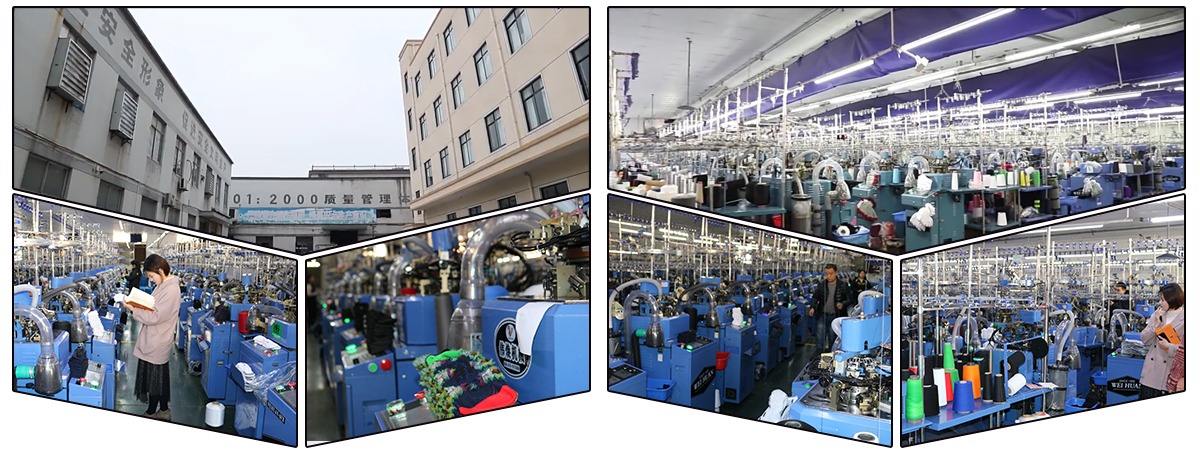
Yiwu Genke Apparel Co., Ltd. has been deeply involved in the custom sock industry for over ten years, specializing in providing global clients with one-stop high-end sock customization solutions. Established in 2016, our enterprise operates a 1,200 square meter factory, employs 89 professional staff members, and maintains an annual production capacity of 12 million pairs. Our production processes are fully certified under BSCI and OEKO-TEX standards, ensuring compliant, reliable, and high-quality manufacturing for sports and activewear brands worldwide.
Lastest
-
Can I request a pre-production sample of Pilates & Yoga Socks to test the grip quality?
2026-08-03 -
What is the typical cost for creating a custom logo sample of Custom Promotional Socks?
2026-08-03 -
What are the latest eco-friendly yarn trends for manufacturing sustainable Sports Socks?
2026-08-03 -
Are there specific compliance certs required for importing Funny/Happy Socks for kids?
2026-08-03 -
How long does it take a factory to make and ship physical samples of Business Socks?
2026-08-03
SUBSCRIBE
INQUIRY